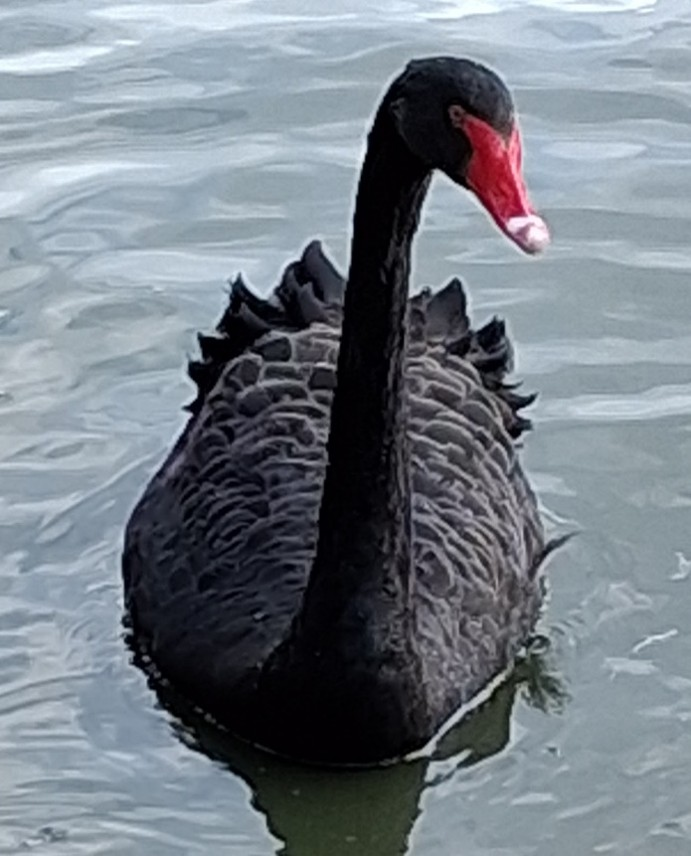
It has been 2-3 decades since I last visited the wildfowl wetlands at Slimbridge, but today, I finally returned to a really lovely place, with the good company of S, who generously provided the transport there and back, following her excellent choice of venue to visit.
It is not very far from Bristol, just a few junctions further up the M5, and then following the ‘brown duck’ tourist signs to the final destination.
We were fortunate enough to have a lovely day of sunshine, despite the threat of rain.
We both enjoyed the walk round the estate, in my case with the wheelie beastie (rollator), whilst taking photographs, and a sit-down to eat our packed lunch, and an additional sit-down to watch the feeding of ‘Tilly’, the otter, later in the afternoon.
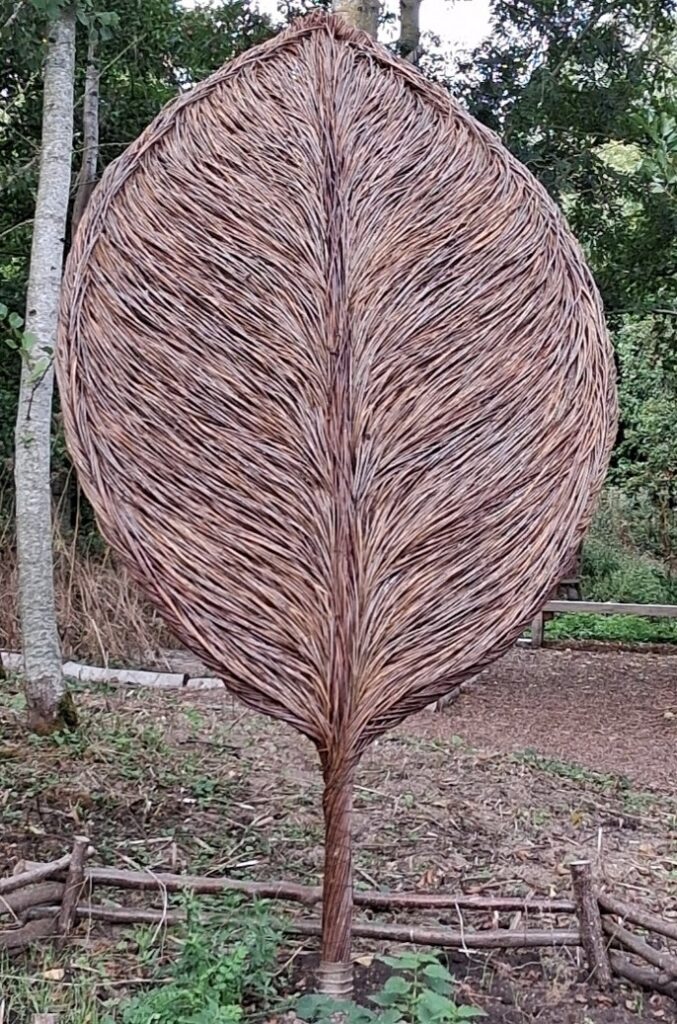
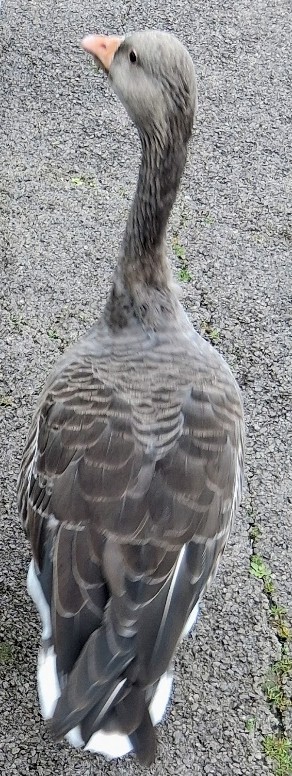
The environment was lovely, with the ponds, many rush and reed banks, mud flats and some magnificent trees to enjoy, too, and all the lovely works of art created from the plant life, dotted around the estate.
The wheelie beastie magnificently conquered all the different surfaces with ease.
Clearly, it was a paradise for all the birders, armed with their very sophisticated cameras, tripods and other paraphernalia, whilst we were armed only with the cameras on our phones. I did the best I could with my usual pointing and clicking in the general direction of the birds and surrounding nature, but I know that S will have fared better producing a much higher volume of excellent quality photographs, consistent with the others she has produced over the years.
Beyond just taking photographs, we both enjoyed feeding the birds, and appreciating the nature of the estate as a whole.
WWT Slimbridge Wetland Centre is situated near the Severn Estuary in Gloucestershire, and serves as the historic and operational headquarters of the Wildfowl & Wetlands Trust. It’s foundation took place in 1946 by Sir Peter Scott, son of the Antarctic explorer, Robert Falcon Scott. It operates by undertaking scientific research, alongside captive breeding and public access.
There are ten centres across the UK, each one operating on the same principles, and each having a core habitat and different specialisms. At Slimbridge, this consists of saltmarsh, pasture, and lagoons, and the world’s largest captive wildfowl collection. Bewick swans winter there, too, and it serves as a crucial winter refuge along the ‘Atlantic Flyway’. At the winter peak, it hosts approximately 30,000 wildfowl and waders.
It was an inspired choice of place to visit, and thoroughly recommended to everyone else, both young and old.
Fraser
AI Contribution: Research by Gemini.